Transform Your Designs with Holographic Diagonal Lines
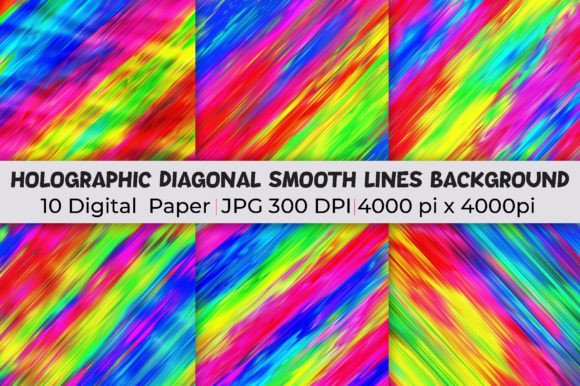
There's a particular kind of visual energy that catches the eye and holds it—a dynamic pulse that feels both futuristic and deeply artistic. This is the core appeal of Holographic Diagonal Lines Backgrounds. These aren't just static images; they are digital canvases designed to inject motion, depth, and a sophisticated modern edge into any project. Imagine a spectrum of vibrant hues—think electric blues, magentas, and silvers—woven into intricate, diagonal patterns that seem to shift and shimmer. The "holographic" quality isn't just a label; it refers to the iridescent, light-catching effect that gives these backgrounds a unique, almost tangible texture. The personality is bold, innovative, and unapologetically creative, making it a powerful tool for anyone looking to move beyond flat, predictable design.
Where This Dynamic Background Truly Shines
Understanding the visual character of Holographic Diagonal Lines Backgrounds is the first step. Knowing where to deploy them is where strategy meets artistry. The high-resolution 4000x4000 pixel JPGs offer incredible versatility, scaling beautifully from large-format prints to crisp digital displays. For logo design and brand identity, these backgrounds can serve as a striking hero image on a website or a textured layer in a logo presentation, instantly communicating a brand as innovative and forward-thinking. They are particularly effective for tech startups, creative agencies, beauty brands, or any business wanting to project a cutting-edge image.
In editorial design and packaging design, these textures add a layer of luxury and intrigue. Use them as the backdrop for a magazine cover, a book chapter opener, or a product box that needs to stand out on a crowded shelf. The diagonal lines create a natural sense of movement, guiding the viewer's eye across the composition. For social media graphics and web design, they are invaluable. A holographic diagonal background can make an Instagram story pop, give a webinar slide deck a professional polish, or transform a plain landing page into an immersive experience. They work exceptionally well for event promotions, podcast artwork, digital product mockups, and any content where stopping the scroll is a primary goal.
Practical Guidance for Seamless Integration
Adopting a powerful design asset like this requires a thoughtful approach to maintain readability and cohesion. The key is to use the Holographic Diagonal Lines Backgrounds as a supporting character, not the entire cast. Overpowering your core message with a busy background defeats its purpose. A practical rule is to pair it with clean, minimalist typography. A bold display font for headlines can sit confidently atop the texture, while body text should be a highly legible sans serif font or a classic serif font, often placed over a semi-transparent solid color block or a subtle gradient overlay to ensure clarity.
Evaluate your project's fit by considering your audience and message. Is your goal to convey innovation, luxury, or creative flair? If yes, this is a strong candidate. For projects requiring a calm, traditional, or highly corporate tone, it may be too energetic. Always test your font pairing choices. The dynamic nature of the background means your typography needs to anchor the design. Avoid overly decorative script fonts or handwritten fonts for large blocks of text, as they can compete with the background's intricacy. Instead, use them sparingly for accents or pull quotes.
From a practical standpoint, the collection provides ten distinct variations, each a unique canvas. This allows for consistency across a campaign while offering variety. You might use one version for the primary brand asset, another for social media templates, and a third for internal presentations, all while maintaining a cohesive brand identity. Since these are high-quality JPGs, they are ready for commercial use in your digital and print projects, making them a versatile part of your design toolkit. Think of them not as a final design, but as a foundational layer—a piece of modern typography and texture that you can crop, color-adjust, and blend to create something truly bespoke. By strategically applying these backgrounds, you move from simply making content to crafting memorable visual experiences.