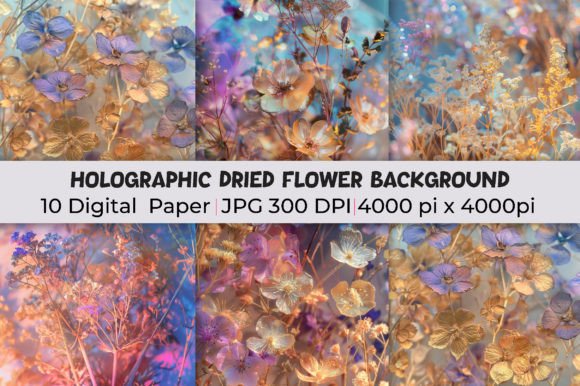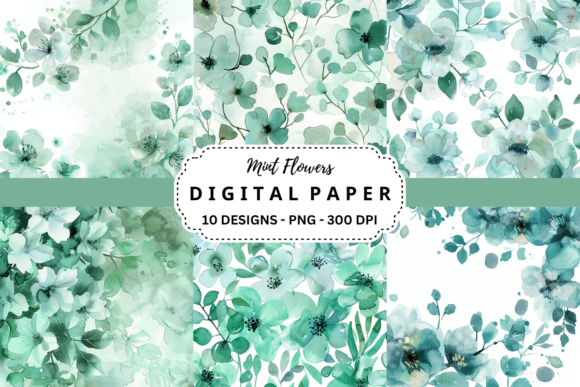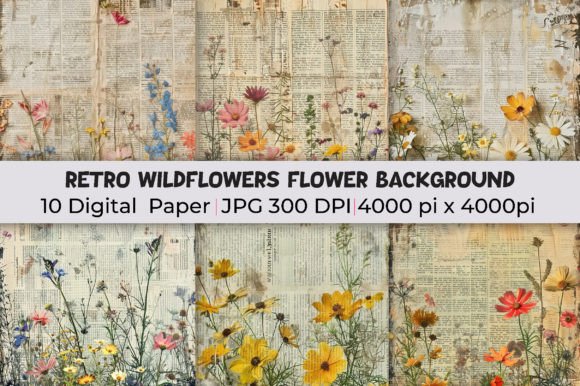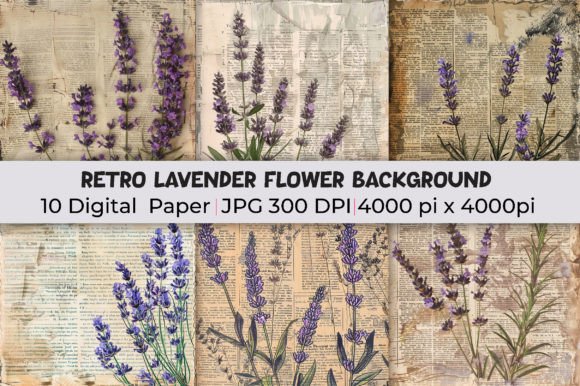
Retro Daisies Flower Backgrounds: A Design Asset for Modern Creativity
In the vast landscape of digital design assets, finding a resource that is both visually striking and universally applicable can be a challenge. The Retro Daisies Flower Background collection emerges as a compelling solution, offering a blend of nostalgic charm and contemporary energy. This isn't just a set of pretty pictures; it's a toolkit for injecting personality, warmth, and professional polish into a wide array of projects. For designers, entrepreneurs, and creators seeking to move beyond generic patterns, these backgrounds provide a distinctive foundation that captures attention and communicates a specific, vibrant aesthetic.
Understanding the Visual Language and Appeal
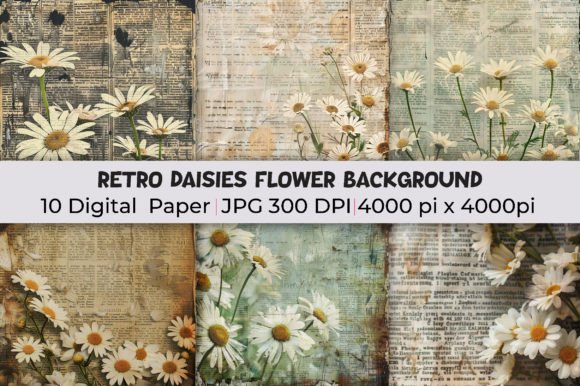
At its core, the Retro Daisies Flower Background is defined by its dynamic interplay of color and form. The "retro" aspect isn't about a dusty, faded look, but rather a bold, confident use of color palettes that echo mid-century modern design with a fresh twist. Think saturated pinks, deep teals, warm ochres, and creamy whites, all working together to create a sense of optimistic energy. The daisy motif itself is stylized and intricate, avoiding a simplistic or cartoonish feel. Each petal and leaf is rendered with careful detail, resulting in a texture that feels both handcrafted and digitally refined.
The overall personality of this collection is one of sophisticated playfulness. It strikes a careful balance, making it suitable for projects that need to feel approachable yet professional, creative yet reliable. The high-resolution 4000x4000 pixel JPG images ensure that these backgrounds retain their clarity and impact whether used as a full-page design element or a subtle, textured accent. This quality makes them a premium font equivalent in the world of graphic backgrounds—a reliable asset for commercial work where detail matters.
Practical Applications Across the Creative Spectrum
The true value of a design asset lies in its versatility. The Retro Daisies Flower Backgrounds excel across numerous applications, proving their worth in both digital and physical realms.
For brand identity and logo design, these backgrounds can establish a memorable visual foundation. A brand targeting a creative, youthful, or lifestyle-focused audience can use a cropped or subtly textured version of these backgrounds on business cards, letterheads, and website headers to build immediate recognition. The patterns work exceptionally well as part of a larger font pairing strategy; for instance, pairing the intricate floral background with a clean, geometric sans serif font for body text creates a beautiful contrast that enhances readability while maintaining a distinct style.
In editorial design and publishing, the backgrounds can transform layouts. Imagine a magazine feature on vintage-inspired fashion or a cookbook with a modern floral theme—these backgrounds provide the perfect visual context. They can serve as full-bleed images for chapter openers, subtle page borders, or dynamic frames for pull quotes and sidebars. The key is to use them strategically, allowing the modern typography and content to remain the focal point.
Digital creators will find immense utility in social media graphics and web design. A vibrant Retro Daisies background can make an Instagram story pop, give a Pinterest pin standout appeal, or create an engaging webinar slide backdrop. For web designers, these assets can be used as hero image sections, blog post featured images, or even as subtle, tiled patterns in website footers or sidebar areas, adding depth without overwhelming the user interface.
Even in packaging design and physical products, the applications are clear. Small business owners creating product labels, shopping bags, or thank you cards can use these backgrounds to add a layer of artisanal quality and visual interest that helps their products stand out on a shelf or in an unboxing video.
Integrating These Backgrounds into Your Design Workflow
Adopting a new design asset effectively requires more than just dropping it into a project. Here is some practical guidance for working with the Retro Daisies Flower Backgrounds.
Evaluate the Project Fit: Before diving in, consider the emotional tone of your project. Does it call for warmth, energy, and a touch of nostalgia? If yes, this collection is a strong candidate. For projects requiring stark minimalism or a serious corporate tone, a more subdued texture might be better. The strength of these backgrounds is their ability to convey a specific, positive personality.
Test Font Pairings Thoughtfully: The intricate nature of the background demands careful consideration of typography. A highly decorative script font or handwritten font might compete for attention and reduce readability. Instead, consider pairing with: * A sturdy serif font for a classic, grounded feel. * A clean sans serif font for a modern, high-contrast look. * A simple, bold display font for headlines that needs to anchor the composition. Always test your text over the background at the intended size to ensure it remains legible, especially in smaller applications like captions or button text.
Leverage the Included Assets: With ten distinct images, you have a range of color variations and compositions to work with. Don't feel limited to using just one. You can create a cohesive yet varied visual language across a campaign by using different backgrounds from the same collection for different touchpoints, maintaining brand consistency while keeping the visual interest high.
Consider Commercial Use: The provided licensing is crucial for professional work. These backgrounds are suitable for both personal and commercial projects, which is essential for entrepreneurs and designers creating client work or selling products. Always review the specific license terms included with your download to ensure compliance.
Ultimately, the Retro Daisies Flower Background collection is more than just a decorative element. It is a versatile creative font for the visual world—a tool that can help define a brand's character, elevate editorial layouts, and create engaging digital content. By understanding its strengths and applying it with intention, you can transform ordinary designs into memorable, professional masterpieces that resonate with your audience.